One Cake, Five Generations: How to Throw a Birthday Party Where Everyone from 5 to 85 Actually Has Fun
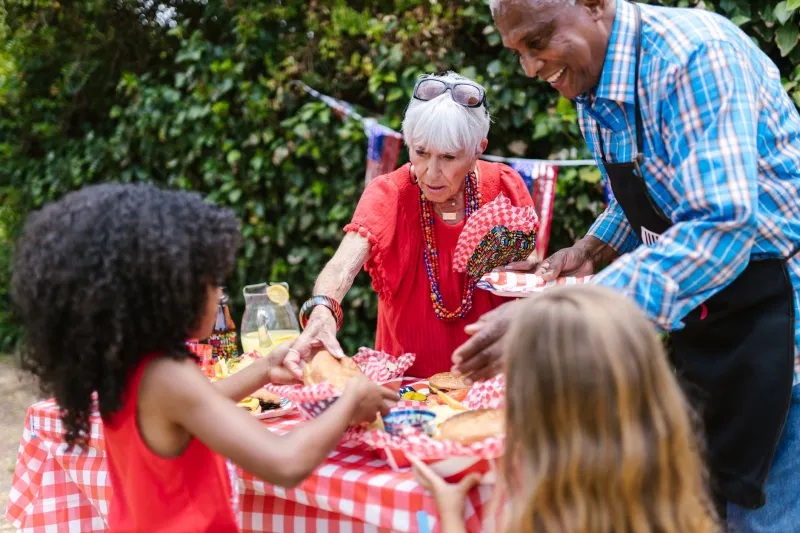
Somewhere along the way, American birthday parties split into two camps: the chaotic kids' bash at a trampoline park and the quieter adult dinner at someone's house. But some of the best celebrations throw that division out the window entirely — the kind where a grandma, a toddler, and a college sophomore are all laughing at the same table.
Multi-generational birthday parties are having a moment, and honestly, it makes sense. Families are spread out, time together feels precious, and nobody wants to choose between missing their niece's fifth birthday or their dad's sixtieth. The trick is planning one party that doesn't quietly bore half the room. Here's how to pull it off.
Start With the Timeline, Not the Theme
The single biggest mistake hosts make? Planning around the youngest guest. A party built entirely for kids leaves the adults checking their phones by hour two.
Instead, think in three overlapping blocks:
- First 45 minutes: Arrival, mingling, light snacks. This is grandparent gold — time to chat, hold babies, and settle in.
- The middle hour: Your main event. One structured activity that works across ages (more on that below).
- The final stretch: Cake, gifts, and a low-key wind-down. Older guests often leave here, and that's fine — build the natural exit into the flow.
A 2:00 to 5:00 PM afternoon window hits the sweet spot. Kids are fed and rested, and you're not asking Great-Aunt Carol to navigate a driveway at 9 PM.
The Seating Situation Matters More Than You Think
Nothing kills a mixed-age party faster than one long kids' table in the garage and everyone else crammed in the kitchen. Mix it up.
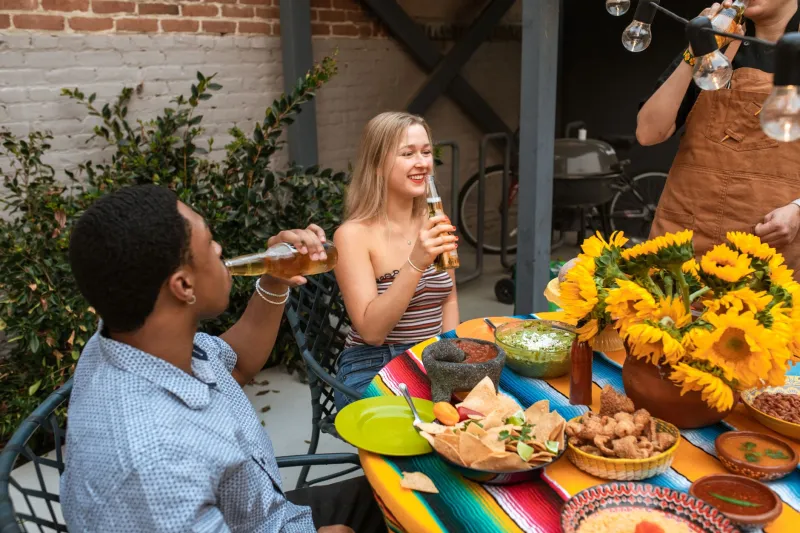
The cluster approach: Round tables of six to eight, each with a blend of ages. Kids sit near a grown-up who'll actually engage with them — and every parent knows which cousin that is. This setup works beautifully in a backyard with a few rented folding tables and mismatched chairs, which honestly look charming, not cheap.
The soft zone: If you've got guests over 70 or toddlers in the mix, carve out a quieter corner with cushioned chairs, good lighting, and a spot away from the speaker. Older guests will gravitate there between activities, and parents of little ones will thank you.
The escape hatch: Teens and tweens are the trickiest crowd at any family party. Give them a defined role — running a game station, managing the photo spot, judging the cake contest — and they transform from sulking bystanders into staff.
Activities That Don't Require an Age Filter
Skip the bouncy house and the trivia night. The best all-ages activities share one trait: they let people participate at whatever level they want.
- The birthday interview. Hand a kid a phone or a clipboard and have them interview guests about the birthday person. Record it. It becomes a keepsake, and it gets grandparents telling stories.
- Yard games with adjustable rules. Cornhole, ring toss, giant Jenga — grandpa can play from a chair, a six-year-old can cheat freely, and nobody cares who wins.
- The decorating station. Set out plain cupcakes, frosting, and sprinkles. Toddlers make a mess, teens make it competitive, adults pretend they're not competing too.
- A memory table. Photos from across the birthday person's life, plus index cards where guests write a favorite memory. It gives quieter guests something meaningful to do and doubles as décor.
One rule of thumb: never run more than one structured activity at a time. Chaos multiplies fast when kids have options and adults have opinions.
Food That Works From the High Chair to the Recliner
You don't need separate menus — you need flexible food. Think build-your-own format: taco bars, baked potato stations, a pasta spread with sauce on the side. Picky kids assemble their version, grandparents with dietary restrictions do the same, and you cook one meal instead of four.
A few practical notes:
- Keep the real dinner food out for at least 90 minutes. Kids eat in waves.
- Put the coffee station near the older guests and the drinks for kids far from the good carpet. You know why.
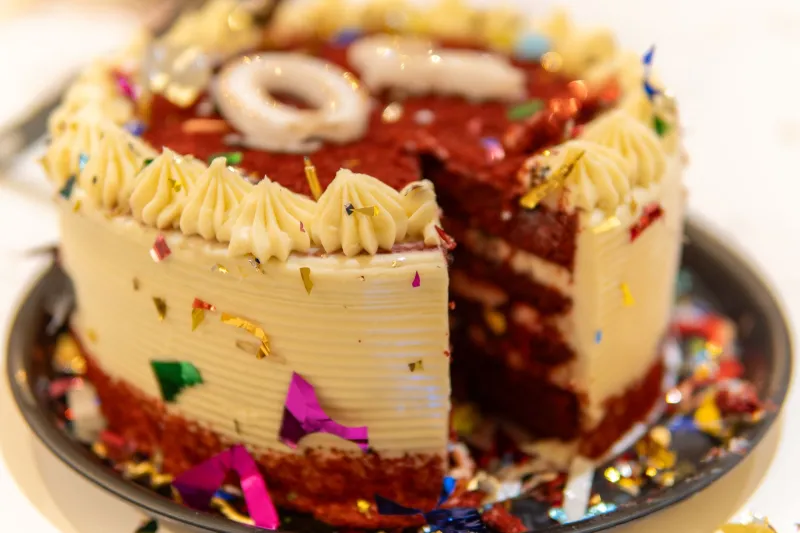
- Serve cake at least 90 minutes before the party ends — you want the sugar to burn off before the goodbyes, not peak during it.
- Ask about dietary needs when you invite, not the day before. With multiple generations, someone's always managing a restriction, and asking early makes them feel considered rather than difficult.
Backyard vs. Venue: The Honest Comparison
Backyard parties win on cost, flexibility, and comfort — older guests can nap, toddlers can wander, and nobody's watching the clock on a rental slot. The tradeoff is your prep load and weather risk. A 10x20 canopy tent solves the second problem for around $50–75 a weekend at most rental shops.
Venue parties (community halls, restaurant back rooms, park pavilions) win on cleanup and capacity. The catch: you're often locked into time windows, which can squeeze the natural rhythm of a multi-age party. If you go this route, book a three-hour minimum and choose a space with a separate area where older guests can retreat from the noise.
Whatever you choose, do a walkthrough in your head: Can a walker get from the car to the cake? Is there shade? Is there a bathroom that doesn't require a stairmaster? These details decide whether your great-uncle stays for cake or leaves early.
The Part Everyone Remembers
Here's the thing about mixed-generation parties — the logistics fade, but the moments don't. The photo of four generations blowing out candles together. Grandpa teaching a seven-year-old his card trick. The video of a toddler singing off-key while everyone joins in.
Plan for the logistics, but build in one deliberate moment where everyone gathers for a single photo or a single song. That's the image that ends up framed on a mantel — and the reason everyone says yes to next year's invitation.