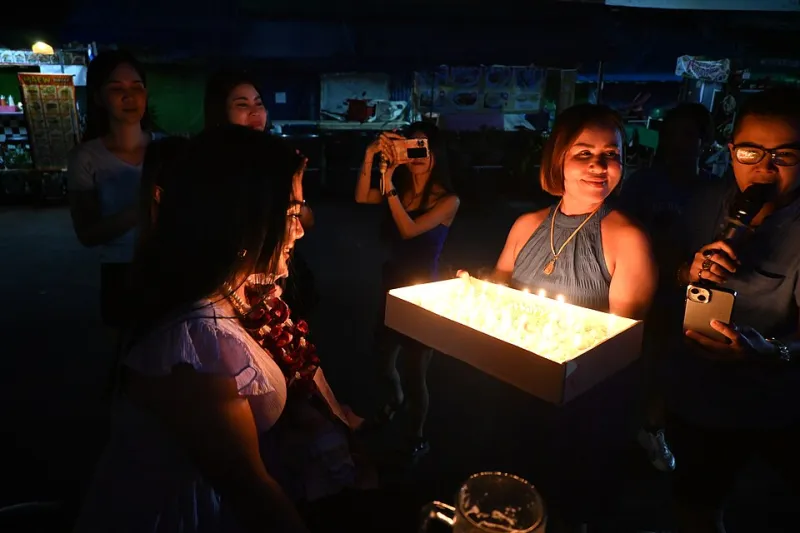
Double the People, Double the Fun: Celebrating Shared Birthdays Without Shortchanging Anyone

Photo: Shixart1985, CC BY 2.0, via Wikimedia Commons
Let's be honest: when two people's birthdays land close together, the temptation is to just combine everything and call it efficient. One party, one cake, one invitation, done. And sometimes that works great. But sometimes—especially when the two people have very different personalities, friend groups, or ideas of what a good time looks like—the combined approach can leave both people feeling like they got half a birthday.
If you're navigating the shared-birthday situation this year, whether it's siblings, a couple, close friends, or family members born within the same week, here's how to make sure everyone walks away feeling genuinely celebrated.
First, Have the Conversation Nobody Wants to Skip
Before you plan a single thing, talk to the people involved. This sounds obvious, but it's the step most people skip in the name of just getting things done. Ask each person directly: What would actually make you feel celebrated?
You might be surprised. One person might love the idea of a combined party—more people, more energy, more fun. The other might quietly wish for something smaller and more personal. One might care deeply about their cake. The other might not care about cake at all but really wants a specific activity.
Knowing what each person actually values lets you build a plan that honors both of them, rather than just splitting the difference.
The Case for a Combined Party Done Right
A joint celebration isn't automatically a lesser one. In fact, when it's done thoughtfully, it can be genuinely special—because the two honorees share that day with each other, which has its own kind of meaning.
The key is making sure neither person disappears into the background. A few ways to do that:
Give each person their own visual moment. Two separate cakes, or a cake with two distinct halves that reflect each person's taste. Two separate sets of decorations that coexist rather than blend into one generic theme. If one person loves the outdoors and the other is obsessed with vintage films, lean into that contrast—it makes for a more interesting party anyway.
Separate the toasts. When it's time to say something meaningful, make sure each person gets their own dedicated moment. Don't lump them together into one toast. Even if it takes an extra five minutes, it signals to each person—and to every guest—that they matter individually.
Personalized gifts from the host. If you're the one throwing the party, resist the urge to give a joint gift. Two separate, thoughtful gifts—even small ones—go a long way toward making each person feel seen.
When Friend Groups Don't Overlap
One of the trickier aspects of a shared celebration is when the two birthday people have completely different social circles. Combining a party in that case can feel less like a celebration and more like a networking event where nobody really knows each other.
A few approaches that work well here:
Host two separate gatherings with a shared anchor event. Maybe there's one dinner with close family for both of them, but each person also gets their own thing—a night out with their own friends, a separate brunch, a smaller hangout that's just theirs. The combined event becomes the official celebration; the individual ones are the personal ones.
Stagger the celebrations across a weekend. Friday night belongs to one person, Sunday afternoon to the other. Same general time frame, totally different vibes. This works especially well for couples or roommates where logistics are already shared.
Let each person invite their own people. If you do combine into one party, structure the guest list so each honoree contributed equally to it. Nobody wants to show up to their own birthday and feel like a guest at someone else's party.
Managing the Budget Without Making It Obvious
Shared birthday celebrations can actually be a financial relief—splitting the cost of a venue, catering, or decorations between two households makes things more manageable. But there's a right way and a wrong way to handle the money side of it.
The wrong way: cutting corners on personalization to save a few bucks, and having it show. Generic decorations, one cake sliced in half, a single card signed by everyone. People notice.
The right way: agree upfront on what the budget is, then allocate it deliberately. Spend a little more on the things that matter most to each person and simplify everything else. If one person cares about the food and the other cares about the music, put the money there. A thoughtful budget is one that reflects priorities, not just dollar amounts.
The Alternating Year Approach
For ongoing situations—siblings who share a birthday week every year, or a friend group where two people always end up celebrating at the same time—consider establishing an alternating system. Year one, Person A gets the bigger celebration and Person B gets something smaller but personal. Year two, you flip it.
This only works if both people genuinely agree to it and if the "smaller" celebration is still actually good. A low-key birthday dinner at someone's favorite restaurant, a personalized experience, or a heartfelt one-on-one outing can absolutely feel special—as long as it's clearly intentional and not just an afterthought.
The One Rule That Covers Everything
Every piece of advice here comes back to one thing: intentionality. The shared birthday situations that go sideways aren't usually the result of bad planning—they're the result of no one stopping to ask what each person actually needed.
When you take the time to treat each birthday as its own thing, even within a shared celebration, people feel it. And that feeling—of being genuinely seen on your birthday—is the whole point.